With us, it’s not just about exercising; it’s about embracing a healthier, happier lifestyle.
Your next move depends on your current situation and budget constraints. Download two or three apps from this list and test them during your next workout week to see which interface and programming style matches your preferences best. The platform emphasizes meticulous tracking of resistance training variables including weight lifted, total volume, and personal records across specific exercises. You’ll log barbell movements, machine work, dumbbell exercises, and bodyweight progressions while the app calculates your total training volume and highlights when you achieve new strength milestones. Jefit supports progressive overload through historical data visualization that shows exactly how your lifts improve week after week.
Assessing HealthTech’s Role in Mitigating Global Health Inequities
If you’re new to workout apps, or fitness in general, Aaptiv can be a great choice. It offers beginner-friendly workouts for a variety of goals, which means you can try a few different disciplines or modalities to see what you like. Muscle Booster is beginner-friendly because it pays close attention to the user. During the sign-up process, you’ll answer a quick quiz that includes questions about your goals, activity level, equipment access, and more.
What are the essential features of a strength training apps in 2025?
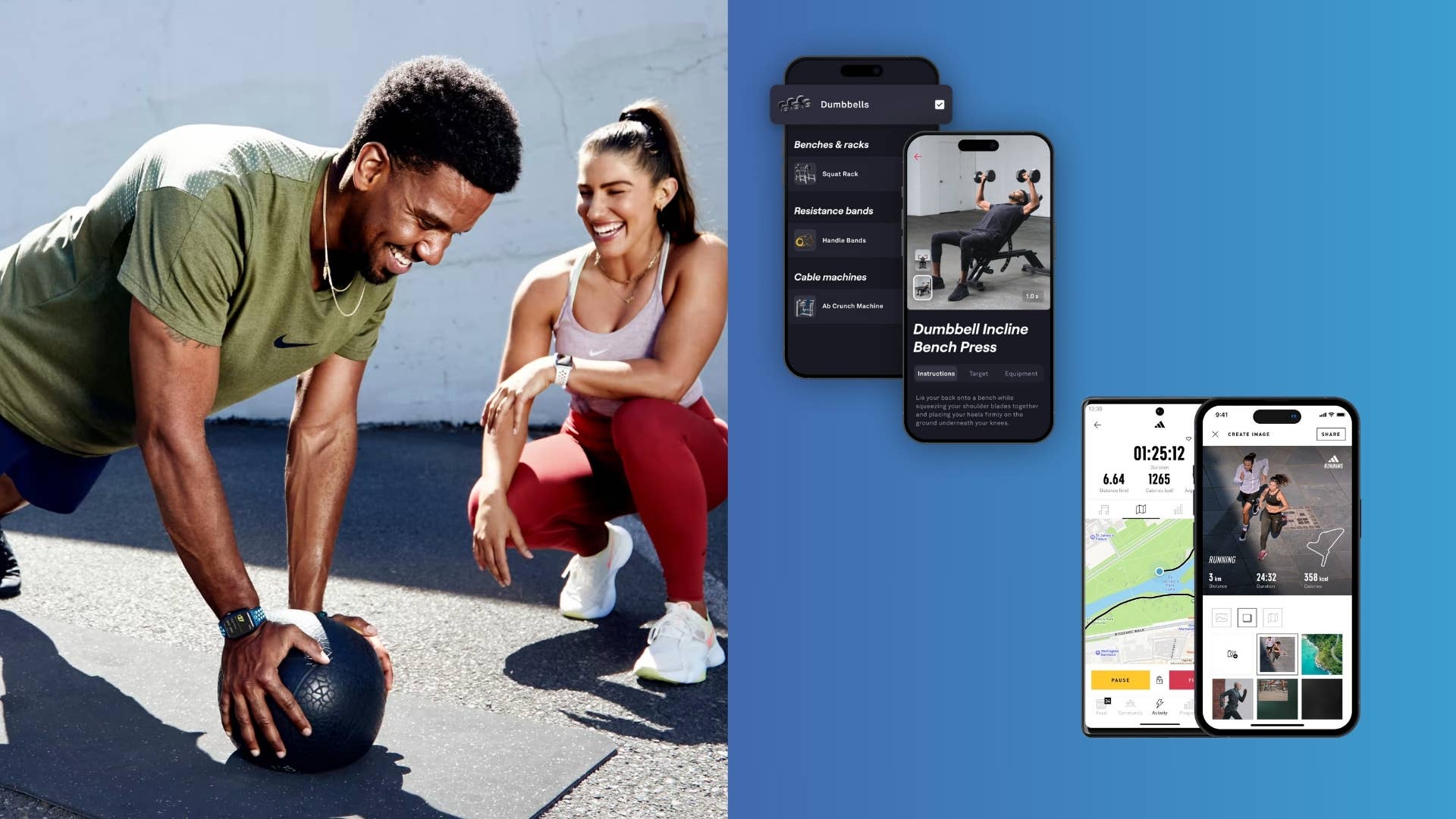
The workouts are around 40 minutes in total and always leave me feeling challenged, stronger, and yes, dripping with sweat. The workouts are usually broken into a few circuits to keep things interesting and fast paced. The app shows you exactly how to do every move with a looping video of the trainer demonstrating. You can also play your favorite music simultaneously with the app going. Overall, the app is really well designed, easy to follow, and has managed to keep me motivated for the last five years! Costs for strength training apps vary widely; some are free with basic features, while others offer premium subscriptions ranging from $10 to $30 per month for advanced features.
Most fitness apps collect data from previous workouts and provide a report on how much you’ve progressed over time. Whether you are looking to gain muscle, lose weight or build endurance, looking at your progress report will show you how far you’ve come. Lately, I’ve been loving the Gut Health Series, a collection that goes beyond workouts to include nutritional videos and pilates classes focused on core strength and digestion.
Stronger – Gym Workout Planner
The first, and more well-known aspect of ClassPass, is that you can search for and participate in local fitness classes—HIIT, boot camp, kettlebell classes, plus salon appointments. This requires a paid subscription plan, where you get a monthly amount of credits to use towards dropping into a class. You get 28 free credits for your first month of ClassPass for anyone looking for deals. The Training Intent Filter — the three-question framework that routes users to the correct app category before they compare individual options — is the tool this guide introduces because no competitor offers it. The most common mistake isn’t choosing Fitbod over Hevy; it’s treating them as comparable when they solve fundamentally different problems. Getting the category right first makes the individual app choice obvious.
Embrace the journey of core strength and appreciate the positive impact it can have on your overall health and well-being. Yes, FitOn still has a 100% free version, which gives you access to their database of workouts. Workouts cover different modalities, from strength training, HIIT, and cardio, to yoga, pilates, and mobility exercises. Equipment is needed for most workouts, but Amanda says you can filter your search for workouts by the type of gym equipment needed. There are a few mobility plans in there, but nearly all of the programs are focused on strength training, using your body weight, dumbbells, garage gym, full gym, or any other type of equipment you have access to. When choosing a plan, you can easily filter the programs based on your training goals, experience level, desired number of days per week, and equipment access.
Top Recommendations for Beginner Strength Training Apps
Still, if you’re looking for a fun way to get a quick workout in, SmartWOD provides countless workouts that can be catered to your skillset and equipment available. You’ll also find plans for bodybuilding, powerlifting, Olympic lifting, athletic training, bodyweight training, and more. With the free version, you can log your own workouts, or let the Caliber algorithm create a custom workout program for you, based on a quick assessment while setting up the app. Caliber also records and charts strength progress and body metrics—body weight, waist size, and body fat percentage.
Timber! Work Out Like a Lumberjack With the Wood Chop Exercise

If you feel tight after high-octane workouts like CrossFit, check out this app for a good stretch. Formerly called ROMWOD, which stands for range of motion workout of the day), Pliability is unique. The ability to log workouts is probably the most important feature for anyone lifting weights. Being able to track your progress will definitely help with motivation and make your training more effective. Paid fitness apps tend to include more features and leverage more technology more, such as using A.I.
Like running on a treadmill, indoor training isn’t always the most fun. I will say, though, that Zwift does a great job of bringing outdoor rides into your home thanks to its video-game-style design. Zwift uses game features to make indoor cycling and running more fun, but the app has a history of crashing and isn’t great on small phone screens.
Planks
Athletes stay engaged and adaptable through structured exercise variations and rep schemes, while never losing sight of the foundational lifts that drive long-term growth. The system draws from Olympic Weightlifting, Powerlifting, Bodybuilding, and Plyometrics, blending the best of each discipline to build complete athletes. HIT, Yoga, Bodyweight Burn, no matter how you get after it, NTC is ready with your first workout.
- For pure tracking with no budget, Hevy’s free tier edges out most competitors on interface cleanliness and social integration.
- Readers will uncover the pivotal features that set these apps apart, including real-time adjustments and comprehensive analytics.
- While weight loss apps tend to focus on one goal, the best workout apps can offer plenty of variety and functionality.
- The platform generates workouts automatically based on your coach’s parameters, and you communicate through in-app messaging for form checks, program adjustments, and accountability support.
- All of the moves (like donkey kicks, single-leg glute bridges, and plank heel lifts) can be done pretty much anywhere, for an easy at-home workout.
- This makes it an excellent starting point for individuals who want structured, challenging calisthenics routines.
Embrace the Alkaline Diet: Your Path to Vibrant Health
This may come in push notifications or scheduling reminders for your workouts. Depending on the app, it might also mean community forums or coach check-ins. Since so many great apps offer those “premium” services for free, there’s no real need to invest in the premium version of Lose It! It’s available on iOS and Android, and it’s free, with an option for in-app purchases.
Personalized Workout Programs
Just keep in mind that although the instructors provide modifications, true beginners may find most of these workouts too challenging. This app brings the feel of a boutique group fitness class to your living room. It offers more than 20 types of classes, including HIIT, dance cardio, sculpt, and more. Not technically a yoga app, but it’ll increase your flexibility, even if you never make it to a full 180-degree turnout.
]]>