

The State of Education in Vanuatu: Challenges and Opportunities
The education system in Vanuatu faces numerous challenges and opportunities for improvement. While the government and various NGOs work towards enhancing educational outcomes, significant gaps remain. For further insight, check vanuatu education opedvanuatu.org/ for additional resources and information.
Vanuatu, an archipelago of 83 islands in the South Pacific, has made strides in educational access since gaining independence in 1980. However, its education system still grapples with challenges such as poor infrastructure, teacher shortages, and high drop-out rates, leaving many students without the skills needed for a successful future. Globally, the education landscape has been evolving rapidly with new educational technologies, methodologies, and greater emphasis on quality. Vanuatu’s educational initiatives must align with these developments while catering to local needs and contexts.
Overview of the Education System
The education system in Vanuatu is divided into several levels – primary, secondary, and tertiary education. The government has prioritized education, stating access to quality education as a fundamental right. Primary education is officially free and compulsory, but the disparities in access and quality remain a pressing concern.
Primary education in Vanuatu typically lasts for six years, enrolling children from the age of six. The curriculum includes basic subjects such as mathematics, language, science, and social studies, taught primarily in Bislama, English, and French, reflecting the country’s colonial history. After primary school, students may continue to secondary education, which lasts another four years. However, access to secondary schools is limited, particularly in rural areas.

Challenges Facing Vanuatu’s Education System
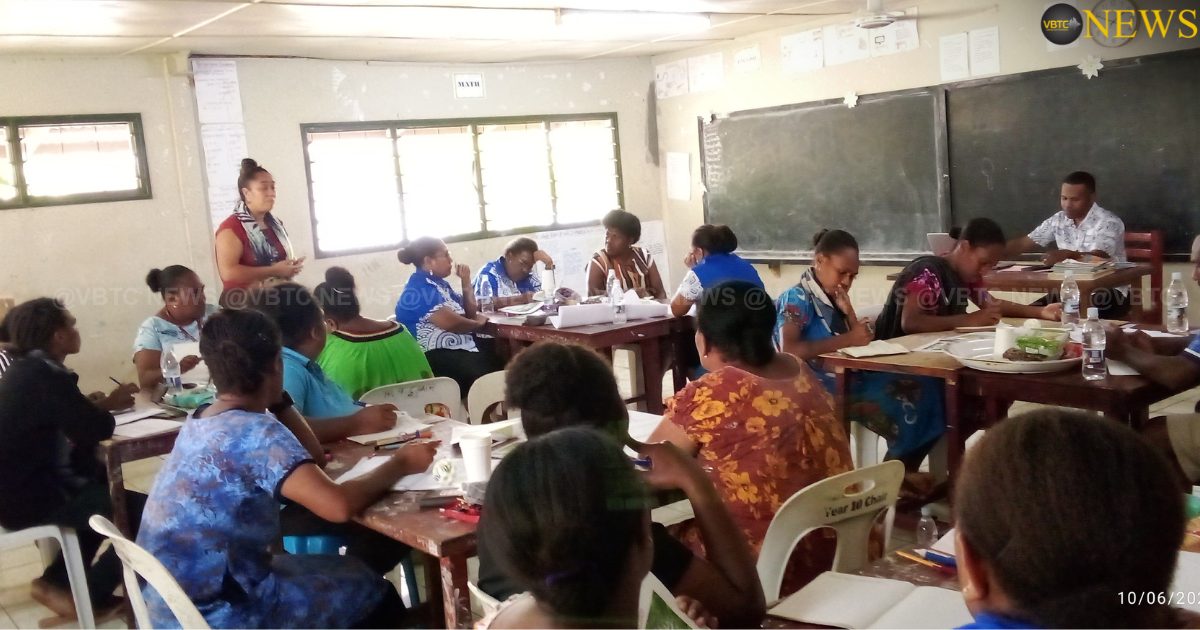
One of the primary challenges is the lack of infrastructure. Many schools, especially in rural areas, are inadequately equipped and lack basic facilities like proper classrooms, clean water, and sanitation. This not only affects the learning environment but also poses health risks for students. Educational resources such as textbooks and teaching materials are often in short supply, making it difficult for teachers to deliver a quality education.
Teacher shortages create another significant hurdle. Many teachers are underqualified, and their salaries are low, leading to low motivation and high turnover rates. The lack of professional development opportunities hinders teacher growth and limits their ability to engage effectively with students.
High dropout rates, particularly among vulnerable populations, further exacerbate these challenges. Factors such as poverty, cultural barriers, and the need for children to assist their families in agricultural work can lead to early school leaving. Gender inequality also plays a role; girls are often more likely to drop out of school due to societal expectations or responsibilities at home.
Government Initiatives and International Support
To address these challenges, the Vanuatu government has implemented various initiatives to enhance the education sector. The Education Sector Strategic Plan 2018-2030 outlines a vision for quality education for all, focusing on improving learning outcomes, increasing access to education, and enhancing the quality of teaching and learning materials.
International partnerships have also been vital in supporting education in Vanuatu. Organizations such as UNICEF and the World Bank have provided funding and technical assistance to improve educational infrastructure, teacher training programs, and community education initiatives.
The Role of Non-Governmental Organizations (NGOs)
NGOs have been instrumental in bridging the gaps within Vanuatu’s education system. Several local and international NGOs are actively involved in enhancing educational access and quality. These organizations focus on various aspects, including teacher training, community engagement, and providing resources to rural schools.
For example, organizations focusing on women’s education work towards ensuring that girls have equal access to education and promoting the importance of education within their communities. Initiatives aimed at providing vocational training for youth have also emerged, targeting those who may not continue to tertiary education.
Future Opportunities for Education in Vanuatu
Looking forward, the future of education in Vanuatu hinges on the ability to address existing challenges while harnessing new opportunities. The integration of technology into education can play a critical role in improving learning outcomes. With advancements in ICT, remote learning possibilities, and digital resources can help overcome geographical barriers and provide students with quality educational materials. However, it’s important to ensure that both teachers and students receive adequate training and support to utilize these technologies effectively.
Community involvement is also essential for building a resilient education system. By engaging parents and community members in the education process, schools can foster an inclusive environment that recognizes the needs and aspirations of the local population. Enhancing partnerships between schools and local organizations can help create a support network that encourages students to stay in school and excel.
Conclusion
The education system in Vanuatu, while facing numerous challenges, is poised for potential growth and improvement. By harnessing community support, leveraging technology, and implementing innovative teaching practices, Vanuatu can create an inclusive and effective education system. Through continued investment and commitment from the government and partnerships with NGOs, the future of education in Vanuatu can become brighter, paving the way for a well-educated workforce capable of contributing to the country’s development and prosperity.
Comentarios recientes