
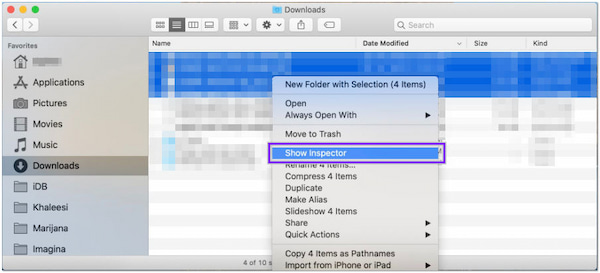
How to Effectively Remove Video Metadata for Privacy and Security
Video files contain a plethora of information, also known as metadata, that can include details about the file’s creation, editing history, camera settings, and even the location where the video was recorded. remove video metadata is crucial for privacy-conscious individuals and organizations. In this article, we will explore the importance of removing video metadata, the potential risks of leaving it intact, and various methods to accomplish metadata removal efficiently.
Understanding Video Metadata
Metadata is data that describes other data. In the context of video files, metadata can include:
- File format and resolution
- Duration of the video
- Creation date and time
- Camera make and model
- Geographic location (GPS coordinates)
- Editing software used
- Rights information
While some of this information is useful for organizing and categorizing videos, it can pose significant risks if the videos are shared publicly.
Why Remove Video Metadata?
There are several reasons why you might want to remove metadata from a video:
- Privacy Protection: Metadata can reveal personal information, including where you live or work. If you upload a video with this information intact, you risk exposing yourself to unwanted attention or even potential threats.
- Professional Standards: For organizations, video metadata could disclose sensitive information about internal processes or proprietary tools. Removing this data can help maintain confidentiality.
- Preventing Copyright Claims: If you use footage or images created by others, the metadata may inadvertently reveal the source. Removing this information can help avoid potential copyright infringements.
- Reducing File Size: In certain cases, stripping metadata can result in a smaller file size, making it easier and faster to upload and share videos.
How to Remove Video Metadata
There are various methods to remove metadata from video files, ranging from using software applications to online tools. Below are some common techniques:
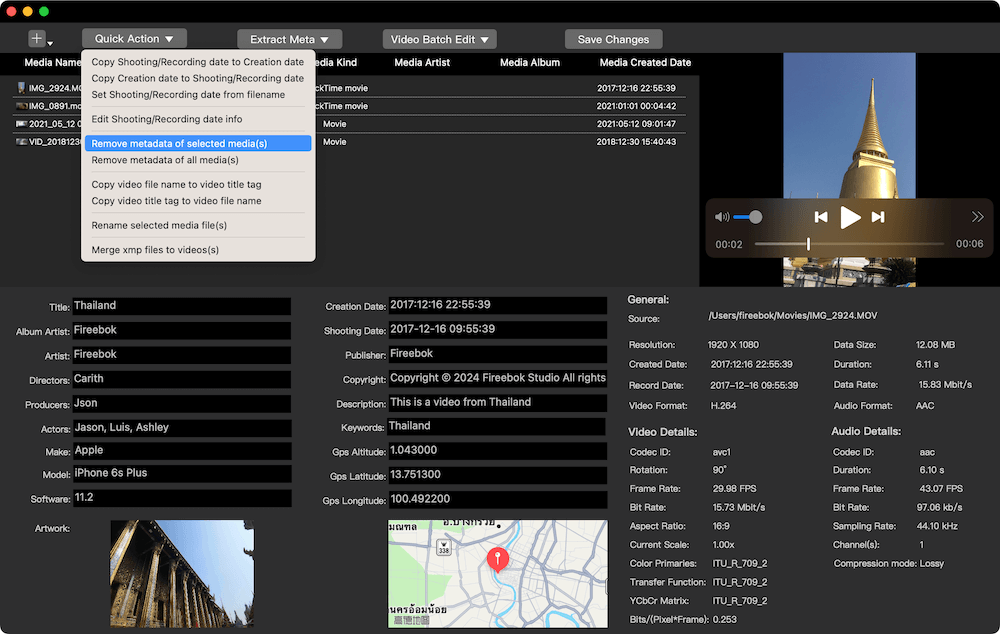
1. Using Desktop Software
Several desktop applications offer robust features for video editing, including metadata removal. Some popular choices include:
- Adobe Premiere Pro: This professional video editing software allows you to export videos without metadata. Under the export settings, ensure that you disable any options that save metadata.
- FFmpeg: This powerful command-line tool can be used to remove metadata efficiently. The command below can be run in the terminal to strip metadata:
ffmpeg -i input.mp4 -map_metadata -1 -c:v copy -c:a copy output.mp4
2. Using Online Tools
If you prefer not to download software, several online services allow you to remove video metadata with ease. Here are some examples:
- ClipTools: This site offers comprehensive tools for editing and processing videos, including metadata removal.
- VideoSmaller: A lightweight online tool that can compress videos while offering options to remove metadata.
- Kapwing: Allows for simple video editing, including features to strip out unnecessary metadata during video processing.
3. Manual Methods
If you want a more manual approach, you can sometimes adjust metadata settings directly within your video editing program before exporting the final product. Here’s how:
- Open your video project.
- Navigate to the export settings and look for options regarding metadata.
- Disable or uncheck any options that involve saving or including metadata.
- Export the video.
Best Practices for Metadata Management
To ensure confidentiality and avoid risks associated with metadata, consider the following best practices:
- Regularly Audit Your Files: Routinely check the metadata of your video files, especially before sharing.
- Educate Your Team: If you work in a team, ensure that everyone understands the importance of metadata and how to remove it.
- Use Trusted Tools: Choose reputable software or online tools for metadata removal to avoid introducing malware or other security issues.
- Stay Updated: Technology changes rapidly. Keep an eye on the latest tools and methods for effective video metadata management.
Conclusion
Removing video metadata is an essential step in protecting your privacy, maintaining professional standards, and ensuring that you share content safely. Whether you choose desktop software, online tools, or manual methods, being aware of what metadata exists and how to remove it can significantly enhance your video sharing practices. Make it a habit to remove video metadata before uploading videos, and you’ll be taking a proactive step in managing your digital footprint.
Comentarios recientes